
The Lantern Post
After-School Restraint Collapse: Why Your Child Falls Apart the Second They See You
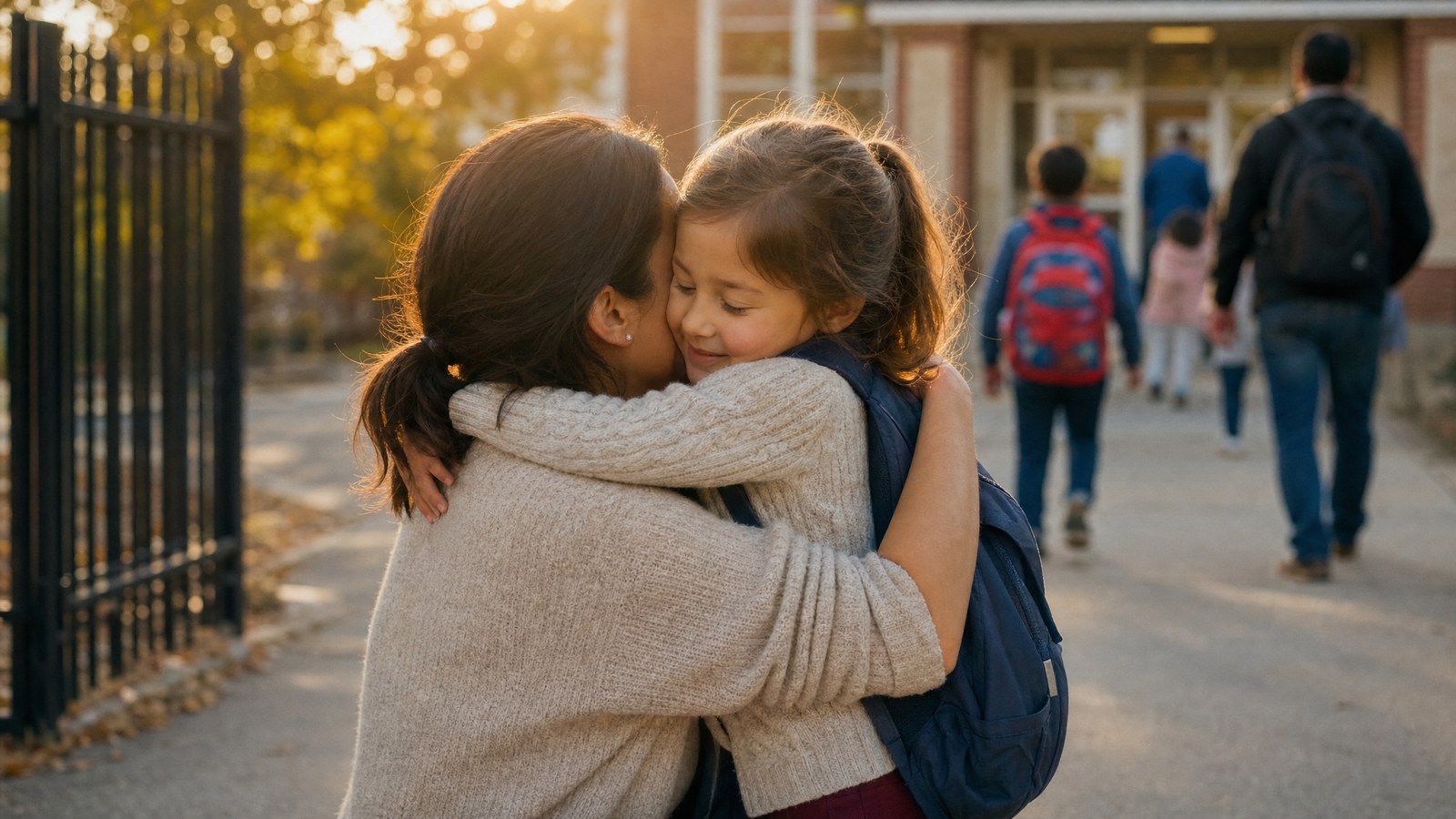
Your kid had a great day. The teacher said so. "An angel. So focused. Played beautifully." Then you buckle them into the car, or they walk through the front door, and over something impossibly small, the wrong color cup, a sock seam, a banana broken in half, they completely fall apart. Screaming. Crying. On the floor.
And you stand there thinking: angel at school, meltdown at home. What am I doing wrong?
Here's the short version. Probably nothing.
What after-school restraint collapse actually is
There's a name for this. It's called after-school restraint collapse, and it describes exactly what it sounds like: a child holds it together all day, then collapses the moment they reach a safe place.
Now, one honest thing up front. This isn't a clinical diagnosis with a big lab study behind it. The term came from Andrea Loewen Nair, a counselor and parenting educator, who kept hearing the same story from parents and gave the pattern a name. So no one "proved" restraint collapse in a study called that.
But the science underneath it? That part is solid. And once you see it, the evening makes a lot more sense.
Your child spent all day holding it together
Think about what a school day actually asks of a small child.
Sit still. Wait your turn. Share the markers. Use your inside voice. Line up. Listen. Don't grab. Don't shout. Read the room. Handle the friend who took your spot. Manage a body that wants to move while everyone says freeze.
That is hours of self-control. And self-control, for a young child, is not a personality trait. It's a skill that runs on a brain that isn't finished yet.
The part of the brain that manages impulses and big emotions, the prefrontal cortex, keeps developing well into a person's mid-twenties. Read that again. Mid-twenties. Your four-year-old is running powerful feelings through a control system that is years from done. That doesn't mean it stays this hard. Self-regulation takes real leaps through these very years. It just isn't fully wired yet.
So all that holding-it-together at school isn't free. It costs them. By pickup, the tank is close to empty.
Why they save it for you
Here's the part that flips the whole thing around.
Your child doesn't fall apart in front of you because you make things worse. They fall apart in front of you because you make things safe.
All day, some quiet part of your child knew that school wasn't the place to lose it. Those feelings didn't disappear. They waited. They waited for the one person, the one place, where falling apart is allowed. That's you. That's home.
Developmental researchers describe something called "serve and return." Your child sends a signal, a cry, a worried look, and a calm adult returns it with steadiness. A meltdown is just a bigger, louder version of the same bid. Over thousands of these small exchanges, a child slowly builds the wiring to calm themselves. But for now, they can't do it alone. They borrow your calm until their own shows up. Researchers call this co-regulation, and it's the foundation self-regulation grows out of.
So the after-school meltdown isn't rejection. It's a request. Your child is coming to the safest place they know to finally put the day down. That's not a sign you're failing. It's a sign they trust you completely.
Let that land for a second. The behavior that feels like proof you're doing it wrong is actually proof you built something right.
And here's the other true thing, the one nobody says out loud. It can be a sign of trust and still be genuinely exhausting for you. Both are true at once, and you're allowed to find it hard.
Why the early years hit differently
After-school restraint collapse can happen at almost any age. It's described across the board, in toddlers, in school-age kids, even in teenagers hiding a hard day behind a closed bedroom door. Plenty of adults come home and snap at the people they love most too. Same mechanism.
But here's why the 4 to 7 window is worth its own conversation. This is often the first time a child is asked to hold structured, all-day self-control, sitting, sharing, waiting, reading the room, while the prefrontal cortex, the part of the brain that manages exactly that, is barely a few years into a project that won't finish until their twenties. It's not that older kids don't feel this. It's that a four, five, six, or seven year old is doing the same job with the least practice and the least-developed tools of anyone in the building.
Add one more thing: the transition itself. A child who just moved up to full school days, longer hours, more noise, more social demand, is spending even more energy just adjusting. September is peak season for this for a reason.
So if the meltdowns feel worse in the first weeks of school, that's not your imagination. That's the load being highest exactly when your child's system is least ready for it.
When after-school meltdowns are something more
A quick, honest note, because "it's totally normal" can be its own kind of unhelpful.
Restraint collapse is common in every child, but it shows up more often, and more intensely, in kids with ADHD, autism, or both, who are already working harder to self-regulate all day. If your child's meltdowns are extreme, happening across every setting and not just at home, or clearly getting worse over months instead of settling as they adjust, those are good reasons to talk to your pediatrician or a child psychologist.
You know your child. Trust the difference between "hard week" and "something's off." Naming a pattern doesn't mean ignoring your gut.
The soft landing: what actually helps
You can't prevent your child from having big feelings after a big day. That's not the goal, and honestly it wouldn't be healthy if you could. The goal is to give those feelings a soft place to land.
Here's what that looks like in practice.
Lead with connection, not questions. The instinct is to open with "How was your day? What did you learn? Did you eat your lunch?" To a depleted child, that's more demand on an empty tank. Try a warm, quiet greeting first. A hug. A "I'm so happy to see you." The questions can wait an hour.
Feed them fast. A lot of after-school meltdowns are just hunger wearing a costume. A hungry, tired brain has a much harder time managing big feelings. Have a snack ready before they even ask.
Protect the decompress. Right after school is not the time for errands, homework, or a packed schedule. Kids often need a low-demand landing zone: quiet play, music, a book, some time alone, whatever helps them reset. Let them have it when you can. Some days the errands can't wait, and that's alright too.
Stay calm when they can't. During the meltdown itself, your child isn't being defiant. They're overwhelmed. Reasoning and lectures usually backfire in that moment. The most helpful thing you can offer is your own steady, unbothered presence. You be the calm they can't find yet. That's co-regulation in real time. And on the days you lose it too, because you will, that's human. The aim is steady, not perfect.
Build a predictable ritual. The same snack, the same corner, the same song on the way home. Predictable transitions carry a child through the moment their own control is running low. The routine does some of the regulating for them.
None of this is about lowering your standards or "giving in." It's about meeting a tired brain where it is, then helping it come back up.
A gentle bridge from school to home
If you want a small tool for that ride home, this is the space Kittelfdora was built for. We make slow, calm content designed around emotional safety instead of sensory overload, the kind of thing meant to help turn the ride home or the first ten minutes on the couch into a softer landing. A quiet song. A gentle story. A quiet companion like Petal, who breathes through a big feeling instead of racing past it. A gentle space like our Garden of Feelings, where a child can put a name to what they're carrying, with Miri and Ori close by. None of it stops the meltdowns, and none of it is meant to. It just gives a wound-up child a calmer place to set the day down, right next to you.
Because that's the real headline here. The meltdown was never the problem to solve. It was your child telling you they made it through, and that you're the safe harbor they were holding out for the whole time.
Frequently Asked Questions
What is after-school restraint collapse?
After-school restraint collapse is when a child holds their emotions together all day at school, then falls apart once they reach a safe, familiar place, usually home or a parent. The term was coined by counselor Andrea Loewen Nair. It happens because self-control is a developing skill that gets depleted after hours of effort.
At what age does after-school restraint collapse happen?
It can happen at almost any age, even in teenagers and adults. It shows up especially often, and especially visibly, in kids around 4 to 7, because that's often the first stretch of full, structured school days, and their brain's self-control center is still early in development. Holding it together all day simply costs a young child more than it costs an older child or an adult. This isn't a measured ranking that says it happens most at this age. It's simply the window where it's easiest to see.
Is my child's after-school meltdown a sign of bad parenting?
No. It's usually the opposite. Children fall apart in front of the people they feel safest with, because that's where it finally feels safe to let go. An after-school meltdown is often a sign of a strong, trusting bond, not a parenting failure.
How do I stop after-school meltdowns?
You can't fully prevent them, and you don't need to. What helps most is a "soft landing": greet your child with connection instead of questions, offer a snack right away, protect some quiet decompression time, and stay calm during the meltdown so they can borrow your calm. Predictable routines make a real difference.
Should I be worried about after-school meltdowns?
Usually not, especially in the first weeks of a new school year. But if the meltdowns are extreme, happen in every setting rather than just at home, or keep getting worse over months instead of easing, it's worth checking in with your pediatrician or a child psychologist.
Want to keep reading?
 What Pretend Play Is Quietly Teaching Your Child
 Why Outdoor Play Does More for Your Child Than You Think
 Why Boredom Is the Best Thing You Can Give Your Child This Year
 Why Bedtime Routines Matter More Than You Think (And What Science Says You Should Include)
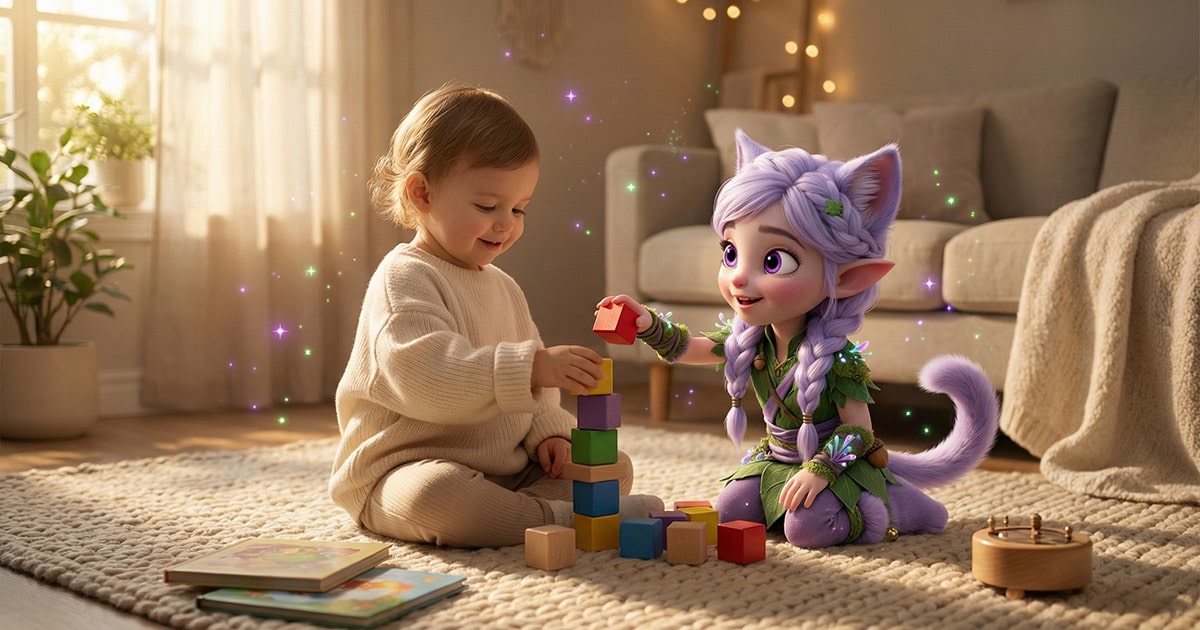 The Rise of Slow Media for Kids: Why What They Watch Matters More Than How Long
 Do Songs Really Help Kids Learn? The Science Behind Music and Early Literacy
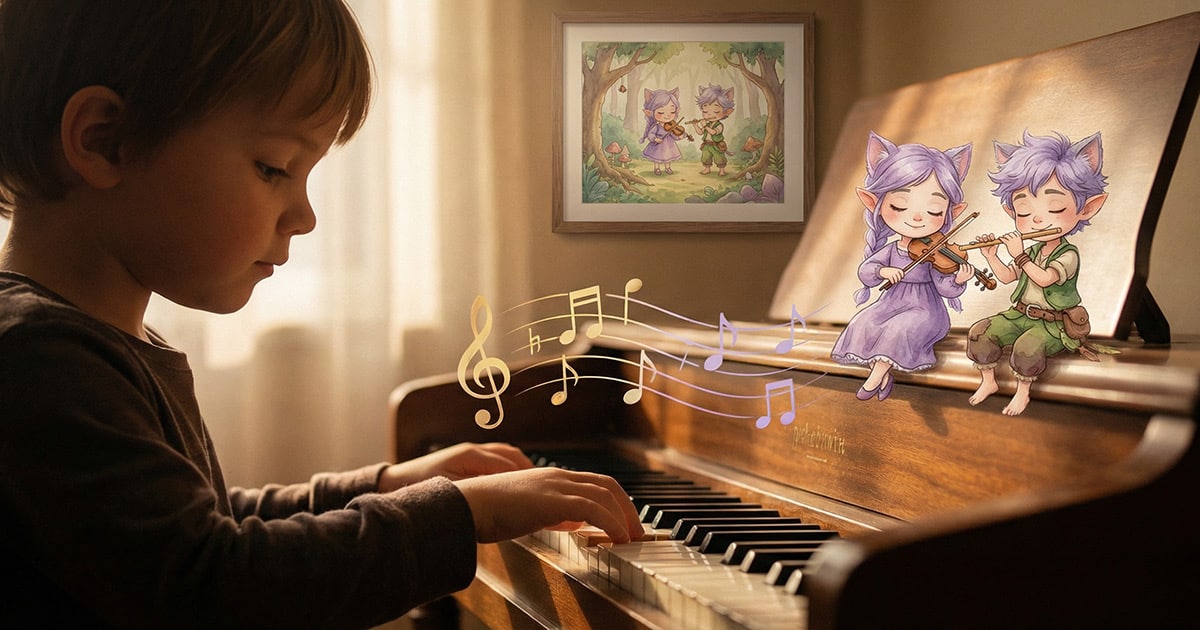 Classical Music and Children's Brains: What the Research Actually Shows
 The Dark Origins of 8 Classic Nursery Rhymes (And Gentler Versions Your Kids Actually Deserve)
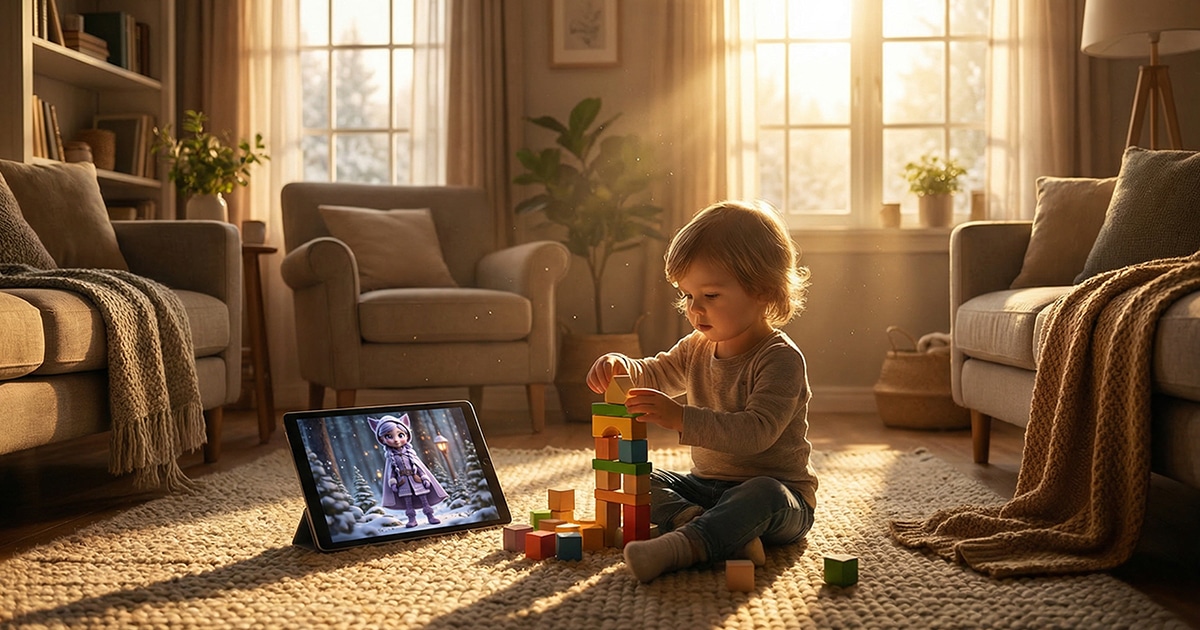 The Screen Time Question No One’s Really Asking
 Why Your Toddler Won’t Sleep: The Science of Sensory Regulation and the “Odora Method”
 Screen Time with a Purpose: How to Turn Watching into Learning 📱💡✨
 Raising Kind Hearts: Why Emotional Intelligence Matters More Than Ever 💖🌍✨
 Meet the Guardians of Kittelfdora: Where Music Meets Meaning
 Why We Built Kittelfdora Kids: A Galaxy of Imagination for Every Child