Parents & Teachers Corner

The Lantern Post

The grown-up side of the forest.

Teach Children Gratitude Without Forcing a 'Thank You'How to teach children gratitude. A thank you is manners; gratitude has more parts. What the research says (mostly ages 6 to 9) and small things to try.14 November 2026Read more

From the archive

The forest is quiet right now. Here are a few favorites from the shelf.

A Word from the Forest

Oops(noise, celebratory)

Most places: the sound of a small failure. In Kittelfdora: the sound of something being discovered a second before anyone understands it.

Twillan Mosswhistle, who gets lost for a living, puts it plainly: “Lost? Perfect!”

Borrow the word this week. Drop something, say it out loud, and watch what your child does with the permission.

Bridge ideas

After the Screen

Small things to say and do when the video ends and the room goes quiet.

For a smoother bedtime

Dim the lights about 15 minutes before sleep and start the same sleep video at the same time every night. The repetition itself becomes the lullaby.

Sleep Music & Lullabies →

After an emotion game

Use the quests as a conversation starter. Try asking: "When did you feel as excited as Ori today?" Naming feelings out loud is where empathy starts.

Garden of Feelings →

After a word game

Talk about the words your child found and how words can make others feel happy and included. Kind words are the forest’s favorite kind of magic.

Word Games →

For screen-free days

Print a few coloring sheets from a song your child already loves. Familiar characters make the jump from screen to paper feel like a continuation, not a loss.

Coloring Pages →

Seasonal

The Season Ahead

What is coming for the household, and what is worth trying before it gets here.

A magical forest village in early winter at blue dusk, tree houses built into giant mossy trunks with a light dusting of snow, warm glowing windows, hanging lanterns and a wooden bridge over a frosty path.

Early Winter

The Holiday Weeks

More people, more noise, earlier dark, and everyone still has to sleep.

The next few weeks pack more people, more noise and later nights into the house, just as the evenings turn dark early and the colds arrive. Here is what usually goes sideways, and a few small things worth trying before it does.

GatheringsGetting through family gatheringsSay what will happen, keep the basics, and know where the quiet spot is.Read the tipsHide the tips
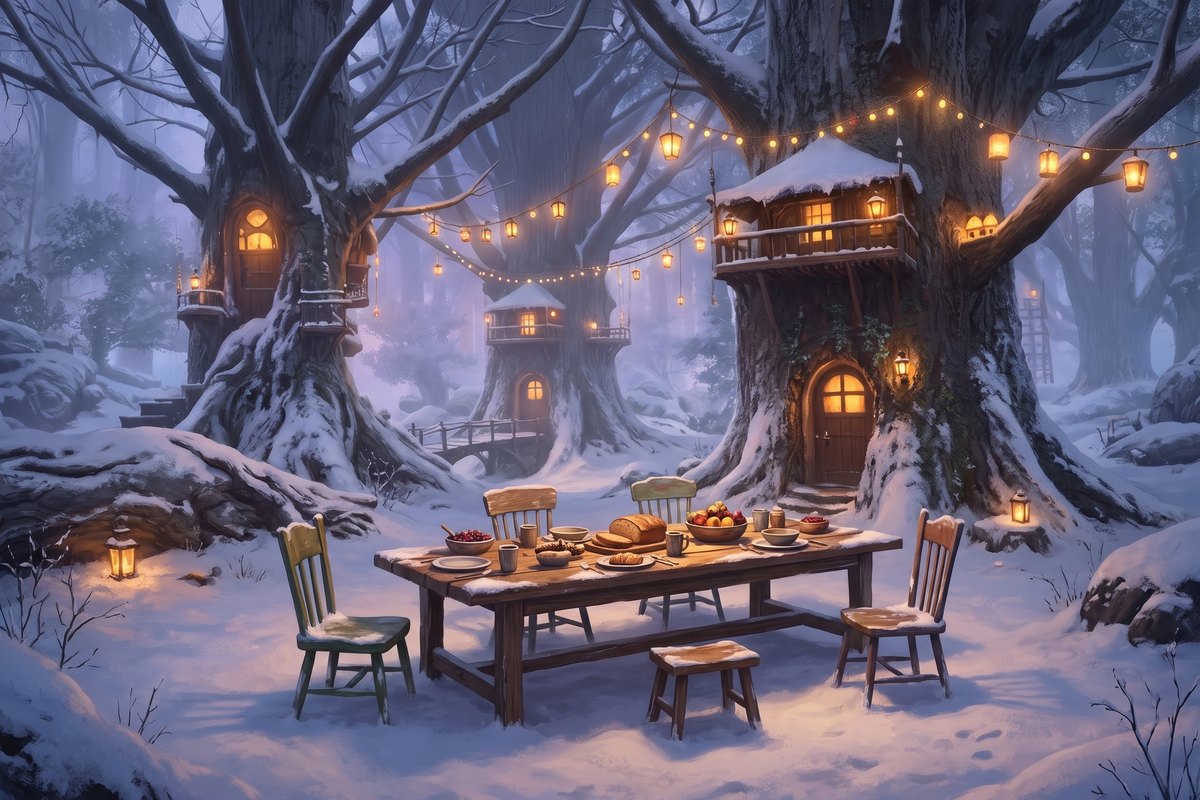
A long wooden table set with bread, fruit and cups in a snowy forest village clearing, strings of warm lanterns overhead and tree houses glowing behind.

Gatherings

Getting through family gatherings

Crowds, noise, new food and late nights wear a small child thin. A little planning before you leave can take some pressure off.

Try this

  1. Say what will happen. Talk it through before you leave: who will be there, what you expect, what the day looks like. A picture schedule on the fridge, shared a few times, is one way to do it.
  2. Find the quiet spot. Ask the host where your child can retreat if it gets loud, and let them settle in before the greetings.
  3. Feed them and let them move. Bring a food they really like so nobody runs on empty, and take breaks to let them run around.
  4. Protect the bedtime where you can. Stick with school bedtimes as much as you can. A one-off late night, like New Year’s Eve, is fine. Not every night will work, and that’s okay.
  5. It’s okay to skip some. Choose the invitations you can reasonably handle and say no to the rest if you can. If you can’t skip much, that’s fine: plan the quiet spot and the basics instead.

Why it helps

The AAP says keeping household routines can help ward off tantrums. No routine prevents every hard moment, and a hard moment doesn’t mean you did it wrong.

Source: AAP HealthyChildren, Child Mind Institute

SleepEarly dark and bedtimeLight in the morning, dim lights at night, screens off an hour before bed.Read the tipsHide the tips
A magical forest village at night, wooden tree houses with glowing windows built into giant mossy trunks, a crescent moon above, and a meadow of purple lotus flowers below.

Sleep

Early dark and bedtime

The evenings go dark early now, and the holidays push bedtimes later.

Try this

  1. Light at wake-up. Get some sunlight soon after waking, or turn the lights up bright when it is time to get up.
  2. Dim the evening. Dim the lights before bedtime and keep the temperature comfortable.
  3. Screens away an hour before. Put screens away at least an hour before bedtime.
  4. Same wake-up time all week. Keep the same waking time on weekdays and weekends.
  5. Keep the wind-down. The same short routine every night is a cue that sleep is coming.

Why it helps

The AAP lists bright light at wake-up, dim evenings and a steady wake-up time. Nemours also recommends morning sunlight. Nemours’s figure of about 9 to 12 hours is for school-age children; for 4- and 5-year-olds, ask your pediatrician.

Source: AAP HealthyChildren, Nemours KidsHealth, Cleveland Clinic

Cold weatherPlaying outside in the coldThin layers, mittens, and a warm break before anyone gets too cold.Read the tipsHide the tips
A snowy forest path at dusk, a pair of small knitted mittens, a wool hat and a scarf resting on a mossy log, tiny footprints leading toward glowing tree houses.

Cold weather

Playing outside in the cold

Cold days are still good outdoor days, if the child is dressed for it and comes in for warm-up breaks.

Try this

  1. Dress in layers. Several thin layers keep children warm and dry. Insulated boots, mittens or gloves, and a hat are essential.
  2. One layer more than you. The AAP suggests one more layer than an adult would wear in the same conditions.
  3. Plan warm-up breaks. Give children a place to go for regular indoor breaks. The AAP says to set reasonable limits on time outside. Nemours says there is no set time, and to go in when being cold becomes unpleasant. Don’t wait for your child to tell you they’re cold: check them yourself. (That last part is our advice.)
  4. Wet means change. Change out of wet clothes right away.
  5. Check fingers, toes, ears and nose. Frostbitten skin may hurt or burn, then go numb, and turn white or pale gray. Warm it in warm, not hot, water, do not rub it, and call your pediatrician if the pain or numbness continues for more than a few minutes. The NHS describes early signs as cold, firm skin with numbness or stinging.

Why it helps

Children are more at risk from the cold than adults, and hypothermia can come on faster. Shivering is an early sign. If a child becomes sluggish, clumsy or slurs their words, treat it as a medical emergency and call your local emergency number (911 in the US, 999 in the UK).

Source: AAP HealthyChildren, Nemours KidsHealth

Winter bugsColds, fevers and when to stay homeWash hands, watch the fever, and know the school rule where you live.Read the tipsHide the tips
The inside of a cosy tree house at winter dusk, a knitted blanket and pillow on a wooden bench by a round snowy window, a steaming mug and a glowing lantern.

Winter bugs

Colds, fevers and when to stay home

Winter is cold and flu season for many families. Here is what the health agencies say to do.

Try this

  1. Soap and 20 seconds. Washing hands with soap and water is the best way to get rid of germs in most situations. Scrub for at least 20 seconds.
  2. The usual moments. Before eating, after the bathroom, after blowing noses, coughing or sneezing, and when someone at home is ill.
  3. Fever and school. The US CDC says keep a child home until they have had no fever, without fever-reducing medicine, for at least 24 hours. The NHS says keep them off school until a high temperature (38C or more) goes. Your school may have its own rule.
  4. Stomach bugs. The NHS says wait until 48 hours after the last vomiting or diarrhoea. The CDC lists vomiting more than twice in 24 hours as a reason to stay home.
  5. A slight cold and school. In the UK, the NHS says it’s fine to send a child to school with a slight cough or common cold symptoms. Your school’s rules come first.

Why it helps

When in doubt, call your doctor or health line. In the US, the AAP says to call if a child looks very ill, is unusually drowsy, or has a fever for more than 3 days (age 2 and over). In the UK, the NHS says to call 111 at 5 days or more. If you’re worried sooner, call sooner. For children under 2 the rules are different, so ask your pediatrician. If your child is very hard to wake, has trouble breathing, or you think it’s an emergency, call your local emergency number. (The last three sentences are our prudence, not from those pages.)

Source: CDC, AAP HealthyChildren, NHS

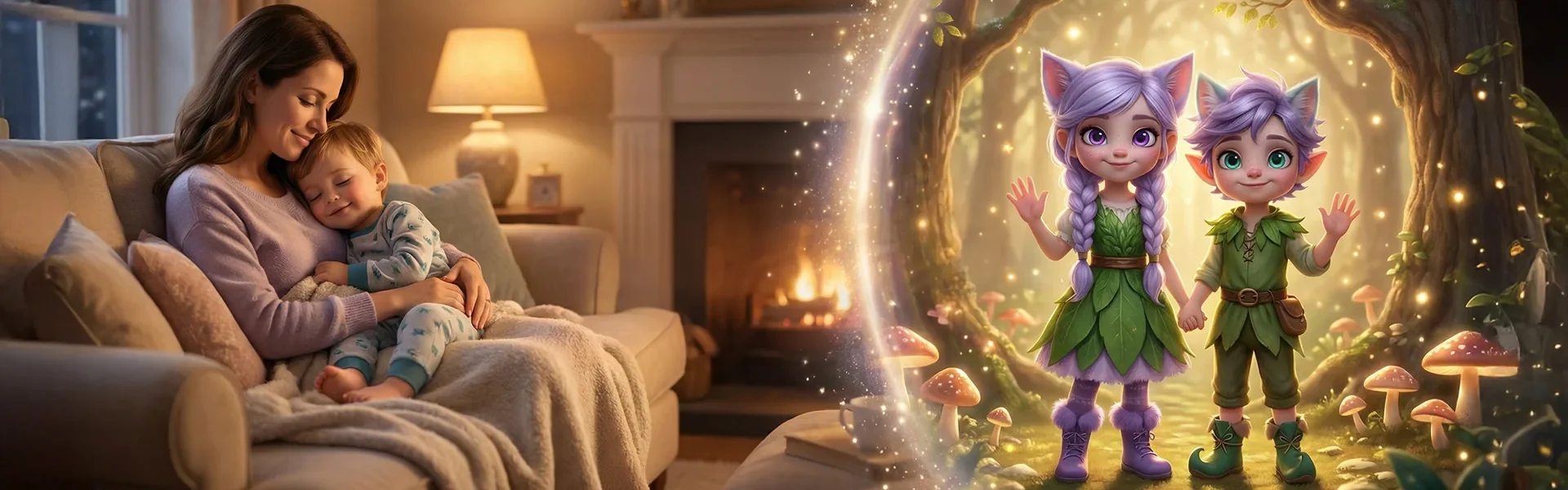
A mom cuddles her sleepy child in a cozy armchair while Miri and Ori wave from the magical forest.

Sleep & calm

The Wind-Down

Ideas for the slow hour before bed, when everyone is tired and nobody is sleepy yet.

Book lists

The Feelings Bookshelf

Picture books sorted by the feeling in the room, not by age or reading level. Anger, worry, jealousy, shyness: four shelves, every book real and still in print. What we wanted was the shelf you can use at half past seven, when the evening has gone sideways and nobody can say why. So start with the feeling, read the one line under each title, and take the book that sounds like tonight. Some of them you’ll be asked to read again before you’ve closed the cover.

A reading nook carved into a hollow forest tree, its shelves full of colorful picture books, with a cushioned window seat and a lit lantern.

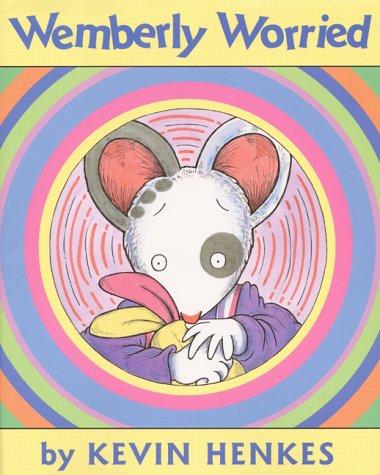
Ages here are a guide, not a rule. One child is ready for Wemberly’s worry at three, another is not until six, and both are right on time. Read what your child leans toward, not just what the label says.

Anger

For the volcano days

  • When Sophie Gets Angry, Really, Really Angry...

    Molly Bang1999Ages 4 to 7

    Stays with what rage feels like in the body, right down to the red, before anything calms. Nobody is told off for it.

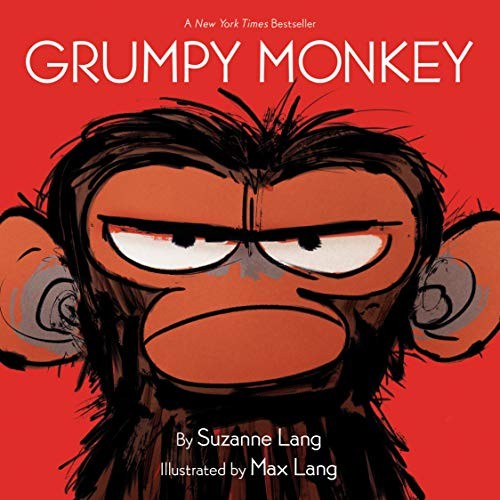
  • Grumpy Monkey

    Suzanne Lang, illustrated by Max Lang2018Ages 4 to 7

    For the mood that has no reason. Jim Panzee is allowed to stay grumpy, and that turns out to be the whole point.

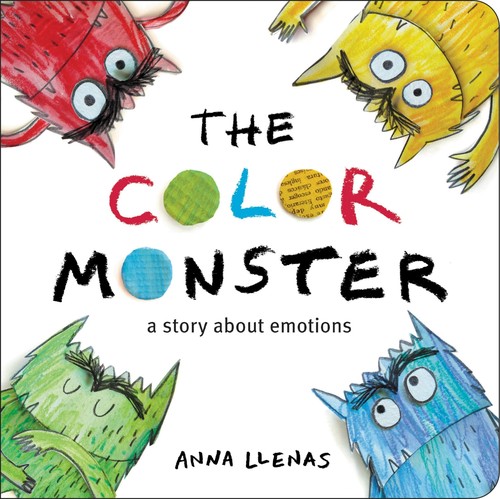
  • The Color Monster: A Story About Emotions

    Anna Llenas2012Ages 2 to 4

    Sorts a tangle of feelings into named colors. Useful when a child has too many at once and no words for any of them.

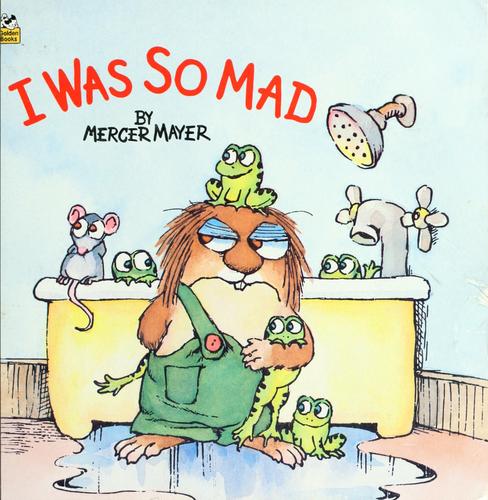
  • I Was So Mad

    Mercer Mayer1983Ages 2 to 4

    Everyday, small-scale frustration, told at toddler scale. Little Critter wants to do things his way and cannot.

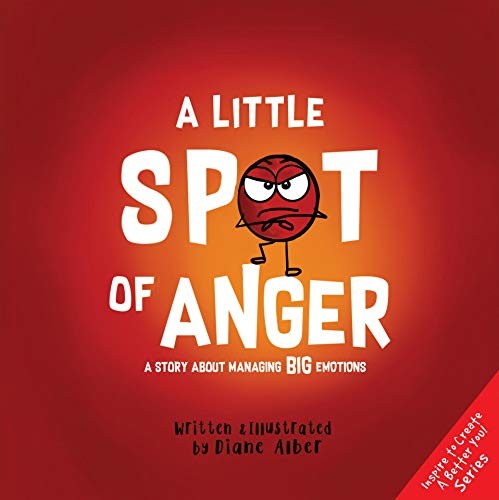
  • A Little SPOT of Anger

    Diane Alber2019Ages 4 to 7

    Gives anger a shape a child can look at, and hands them something to do with their hands while it passes.

Worry

For the flutter before

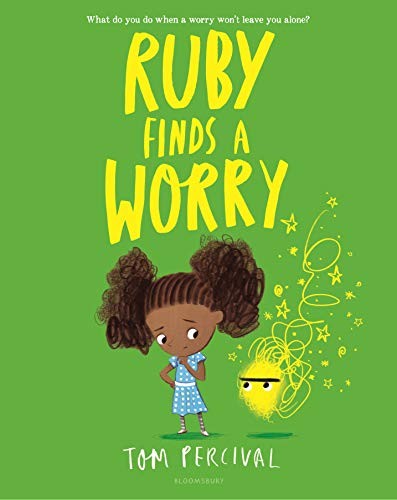
  • Ruby Finds a Worry

    Tom Percival2019Ages 4 to 7

    The worry is drawn as a thing that grows while it is hidden and shrinks when it is said out loud.

  • Wemberly Worried

    Kevin Henkes2000Ages 4 to 7

    For the child who worries about everything and nothing in particular. Ends at the school door.

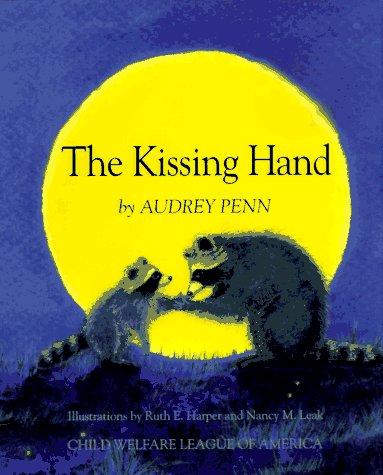
  • The Kissing Hand

    Audrey Penn, illustrated by Ruth E. Harper and Nancy M. Leak1993Ages 4 to 7

    The first-morning classic. A small ritual a parent and child can actually carry out of the book and into the doorway.

  • Owl Babies

    Martin Waddell, illustrated by Patrick Benson1992Ages 2 to 4

    The simplest possible shape of the question: will my grown-up come back. She does.

Jealousy

For the new baby, and the older one

  • Julius, the Baby of the World

    Kevin Henkes1995Ages 4 to 7

    Lily is furious about her baby brother and stays furious for most of the book. No forced niceness anywhere.

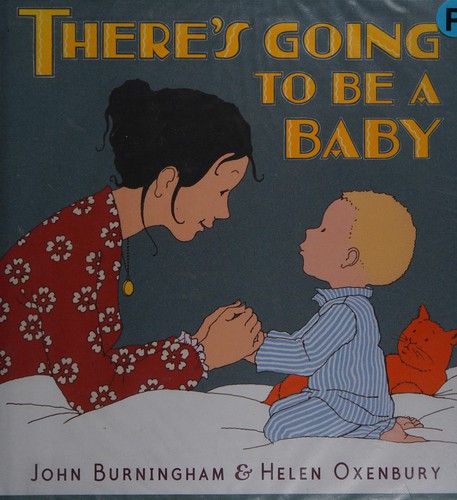
  • There’s Going to Be a Baby

    John Burningham, illustrated by Helen Oxenbury2010Ages 2 to 4

    Sits in the waiting, which is the part most sibling books skip and the part a child actually lives through.

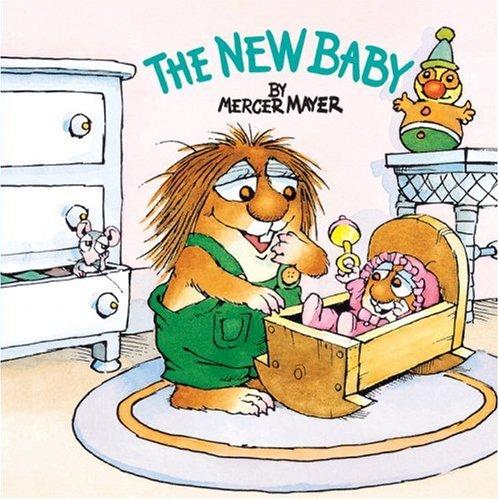
  • The New Baby

    Mercer Mayer1983Ages 2 to 4

    Low drama, ordinary house, ordinary adjustment. Sometimes that is the reassuring version.

  • The Berenstain Bears’ New Baby

    Stan and Jan Berenstain1974Ages 2 to 4

    Fifty years old and still on shelves, because the feeling it names has not changed at all.

Shyness

For new rooms and new faces

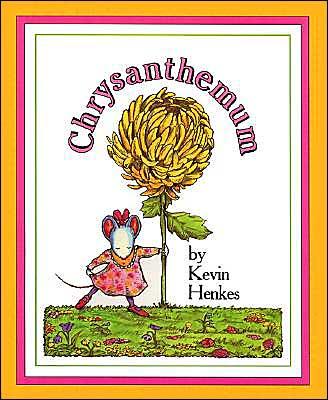
  • Chrysanthemum

    Kevin Henkes1991Ages 4 to 7

    A child loves her own name until school makes her doubt it. About being noticed for the wrong thing.

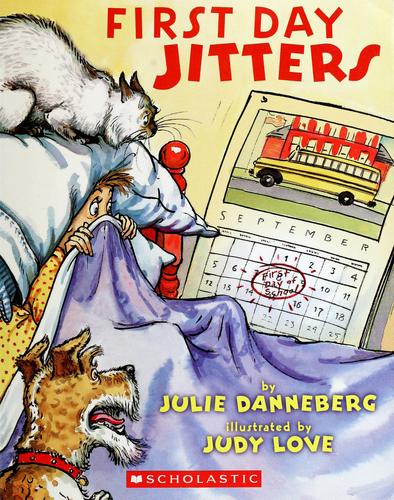
  • First Day Jitters

    Julie Danneberg, illustrated by Judy Love2000Ages 4 to 7

    Built entirely around the dread of walking into a new place. The last page is worth waiting for.

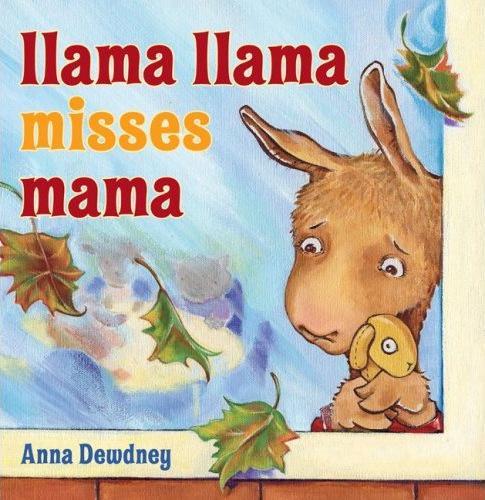
  • Llama Llama Misses Mama

    Anna Dewdney2009Ages 2 to 4

    The youngest version: first morning at nursery, said in rhyme, short enough to read twice.

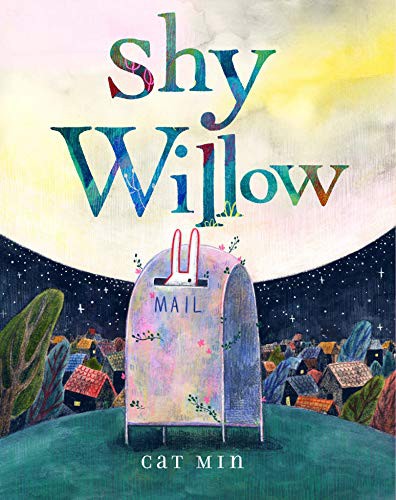
  • Shy Willow

    Cat Min2021Ages 4 to 7

    A shy rabbit does something brave without ever stopping being shy. The shyness is not the problem to be solved.

  • The Name Jar

    Yangsook Choi2001Ages 4 to 7

    New school, new country, a name nobody can say. About being the only one, and deciding who gets to name you.

This week

Small things to try

Two small invitations. Nothing to prepare, nothing to fetch from a shop, just an evening and a little curiosity.

Tonight

Turn off one light

Just one, in whatever room you are both in, about an hour before bed. Do not announce it. Do not explain why. See if anyone notices, and see what the room does with the dark it gets back.

In Kittelfdora, the Slow Garden goes dim long before it goes quiet. Houses might work the same way. Tonight you can find out.

At the table

Three questions with no right answers

Ask one. Then say nothing for a while. If the answer is strange, that is the point.

  1. What color is a quiet sound?
  2. If our house could hop, where would it go first?
  3. What is the bravest thing in this room? How can you tell?

Ori asks questions like these all day long. Nobody has managed to teach him to stop.

From Deniz

The Slow Letter

A letter from the person who makes all of this, whenever there is something worth saying.

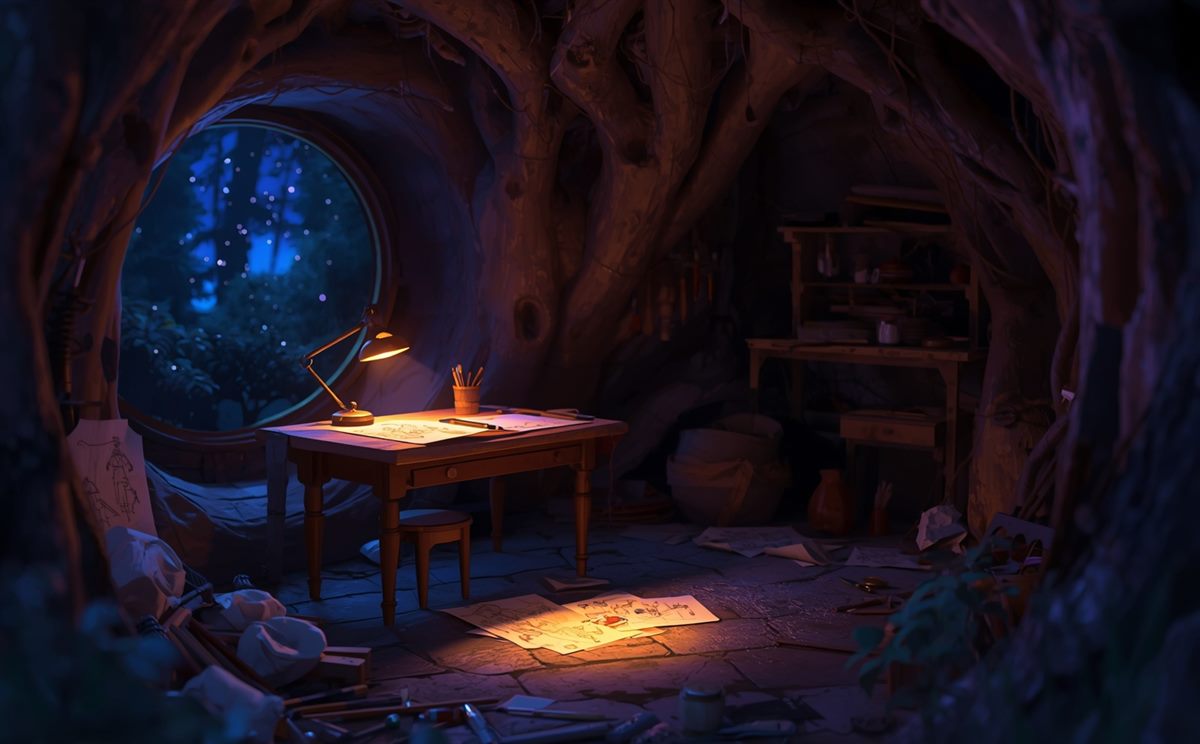
A quiet workshop inside a hollow tree at night, one desk lamp lit over hand-drawn sketches, discarded drawings on the floor.
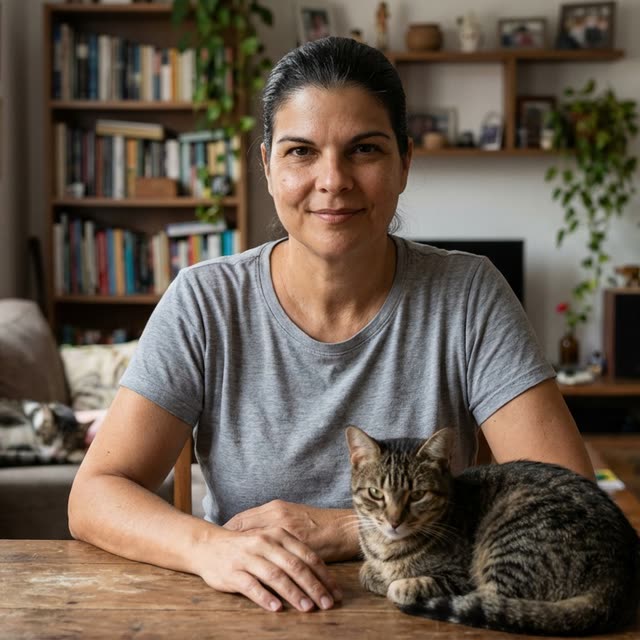
Deniz Arsan sitting at the wooden table at home with her cat
What Slow Costs

15 July 2026

I’ve been making things for children for about twenty years. Fifty-five issues of a magazine. Films for Faber-Castell and Bic. Two hundred episodes of a children’s show for Turkish television. Long enough to know the shortcuts, and to have used plenty of them.

This letter will turn up here now and then, when I have something I actually want to say. Today I want to say what slow costs, because nobody in children’s media says it out loud.

Everyone in this line of work knows the same thing. Fast cutting performs. Loud performs. A new surprise every three seconds performs. The numbers say so every day, in every dashboard, and they’ve been saying it for years. That isn’t a scandal. It’s a machine doing the job we all built it to do.

Kittelfdora goes the other way on purpose. The shots hold. The voices stay soft. Nothing jumps out to snatch a child’s attention back. That choice has a price, so let me name it. Quiet thumbnails lose to loud ones. Slow videos get recommended to fewer people. Every time I pick the calm version of a scene, I’m picking a smaller number, and I know it while I’m doing it.

So why keep picking it? Not because I have proof. I can’t hand you a study that says my forest is better for your child than the bright, loud show she also loves. I’m more certain about what I want to make than the science is about what any of it does, and I’d be careful with anyone who tells you otherwise.

What I have is a reason I can defend. When a scene holds still a second longer than it needs to, something can happen inside it. A child notices the moss. She asks a question. She turns to look at you. Speed fills the room. Slowness leaves a gap, and I like making the gap.

None of this is a comment on your evening. If your child watches something fast and loud and comes out of it laughing, that was a good evening, and you don’t owe me an inspection of it. I’m not here to hand you one more thing to feel bad about. There’s already a queue.

I build this alone, and that’s its own kind of slow. The songs, the stories, the drawings, the puzzles, this page. The forest grows at the speed of one person, and some weeks that speed is embarrassing. I’ve stopped apologizing for it. It’s the same choice, further down.

Here’s what I keep turning over, and I’ll leave it with you unfinished. If it’s true that children come to expect whatever they meet most often, then what happens when most of it arrives fast? Does calm start to feel like nothing is happening? I don’t know. I don’t think anyone fully does yet. But that question sits under every cut I make, and I’d rather build as though the answer matters.

Deniz